AMD Epyc 9654P: Centralized Render Muscle for Nomadic Video Editors
Traveling creative professionals face a difficult compromise when packing for assignments: balancing gear portability against the intense computational power required for modern video rendering. Hauling a heavy mobile workstation with an oversized charging brick inflates luggage weight and drains battery packs in under an hour, yet attempting to export multi-layered 4K or raw camera files…
9 min read


Reviewed
AMD Epyc 9654P
Buyer rating
Well liked
The listing does not publish how many buyers rated it.
Price today
| Amazon | Not listed | View deal |
|---|
- Prime eligible
- Sold by AzITStore
We track one retailer, so this is not a price comparison. Affiliate link; price and stock come from the listing and change without notice.
What you need to know
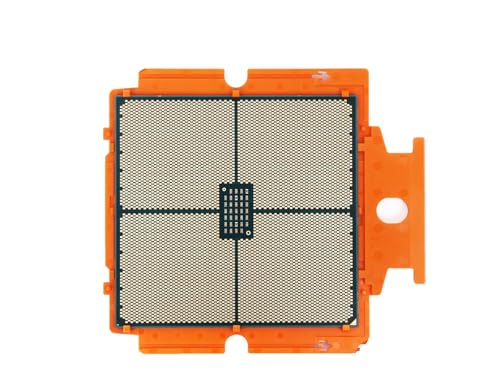
- The defining capability of this processor is its massive core density, packing 96 physical cores and 192 concurrent threads running at a 2.4 GHz base speed. AMD Epyc 9654P Features Explained
- Virtual desktop host providing high-performance computing sessions accessible from lightweight travel notebooks. Best Use Cases
- The product package includes 1 count of the processor weighing 0.2 kg under model number 100-000000803, with verified platform support for Windows. Before You Buy
- While the initial deployment requires dedicated enterprise infrastructure, specialized Socket SP5 cooling, and careful network configuration, the operational payoff… Bottom Line
One line lifted from each section below — follow the link to read that section in full.
As Amazon Associates, we earn from qualifying purchases. This means we may receive a small commission at no extra cost to you if you click through and make a purchase.
Traveling creative professionals face a difficult compromise when packing for assignments: balancing gear portability against the intense computational power required for modern video rendering. Hauling a heavy mobile workstation with an oversized charging brick inflates luggage weight and drains battery packs in under an hour, yet attempting to export multi-layered 4K or raw camera files on a slim notebook slows productivity to a crawl. The modern workflow solves this dilemma by deploying a dedicated home-base render server built with an AMD Epyc 9654P. By offloading resource-heavy export queues, timeline caching, and proxy creation to a centralized enterprise amd epyc cpu stationed in a home office, creators can pack lightweight laptops on the road, travel with compact battery setups, and harness massive computing capability across secure remote connections.
Our evaluation of this enterprise processor reveals an exceptional tool for studio virtualization, fundamentally reshaping how nomadic visual editors handle intensive rendering pipelines. Outfitted with 96 physical cores and 192 threads, this chip executes complex computational workloads that would overwhelm standard mobile silicon. While integrating server hardware demands distinct planning around power infrastructure and enterprise cooling, the workflow advantages for nomadic editors are substantial. If your goal is to reduce pack weight without sacrificing project delivery timelines, establishing a centralized compute node around this processor offers an uncompromising solution.
Quick Verdict
The AMD Epyc 9654P represents an exceptional choice for media professionals seeking an unyielding remote rendering foundation. In this AMD Epyc 9654P review, the sheer volume of 96 cores and 192 processing threads redefines compute density, enabling remote video editors to dispatch timeline exports and proxy generation to home base while editing comfortably on thin-and-light laptops. While installation requires specialized server-grade components and dedicated cooling, the raw processing throughput unlocks unmatched freedom for on-the-go professionals who refuse to travel with bulky desktop-replacement hardware.
- Equipped with 96 cores and 192 concurrent threads for extreme rendering throughput
- Features a massive 384 MB L3 cache to prevent memory stalls on dense media timelines
- Operates within a 360-watt power profile requiring dedicated enterprise cooling
- Built on the enterprise Socket SP5 processor platform for high-bandwidth server builds
AMD Epyc 9654P Features Explained
Massive 96-Core Parallelism
The defining capability of this processor is its massive core density, packing 96 physical cores and 192 concurrent threads running at a 2.4 GHz base speed. In the context of remote production pipelines, this 96 core server cpu acts as a tireless workhorse that executes parallel tasks with remarkable fluidness. Where a classic consumer processor like the older ryzen 5 1600 would quickly saturate under a single multi-cam export, this enterprise processor effortlessly distributes multiple transcode jobs across its vast thread pool without slowing down background operating system tasks.
For video production pipelines, this parallel density allows studios to ingest camera cards, process multi-camera timelines, and export final deliverable files simultaneously. Instead of waiting for one video sequence to finish before initiating the next transcode, remote rendering queues assign separate core clusters to distinct jobs. This multi-threaded architecture ensures traveling creators uploading footage from distant locations receive finished deliverables or proxy media in fractions of the time standard mobile hardware requires.
384 MB L3 Cache Footprint
Data throughput is just as critical as raw core count when processing high-resolution visual effects and video streams, and this processor addresses that demand with an expansive 384 MB secondary L3 cache. In video post-production, large cache pools allow the CPU to keep essential color grading parameters, look-up tables, and uncompressed frame data immediately accessible to active processing threads. The product listing also notes a cache memory installed size of 64, providing substantial data buffering directly on the package.
When multiple rendering tasks execute simultaneously across virtualized containers, memory latency can quickly bottleneck performance. By keeping working datasets stored within the rapid L3 cache layer, the processor minimizes cycles spent waiting on main system memory, keeping every thread saturated with active work. This cache density proves especially valuable during complex timeline rendering where hundreds of video cuts, text overlays, and composite elements require real-time calculation.
Socket SP5 Architecture and Platform Integration
Constructing a reliable home-base render node requires understanding the architectural requirements of the enterprise Socket SP5 processor ecosystem. Unlike standard consumer desktop sockets, the SP5 platform is engineered specifically for mission-critical enterprise environments, server chassis, and heavy-duty workstation motherboards. It provides the foundation necessary to power 96 cores with continuous operational stability, backed by official operating system support for the Windows platform as indicated in the listing specifications.
Deploying this chip in an amd epyc 9654p workstation or headless rackmount chassis provides nomadic editors with an enterprise-grade anchor point. While mainstream desktop processors like the amd ryzen 5 5600 processor rely on consumer motherboards with limited expansion, the SP5 infrastructure supports industrial server boards designed to operate continuously for months without reboots. This uninterrupted reliability is essential when you are thousands of miles away on a travel assignment and dependent on your remote render server staying online around the clock.
360-Watt Power Envelope and Thermal Reality
Operating at an enterprise scale requires balancing substantial thermal output, as this processor carries a 360 watts rating. Understanding amd epyc power consumption is crucial for editors planning an offsite server installation. When all 96 cores are engaged in sustained media rendering, the processor pulls serious current that must be dissipated efficiently through enterprise-grade heatsinks and high-static-pressure fans.
However, shifting this 360-watt load to a centralized studio machine actually preserves energy efficiency where it matters most: your travel backpack. High-wattage desktop-replacement laptops generate immense heat, produce distracting fan noise in quiet coffee shops or hotel rooms, and quickly exhaust portable battery packs. Offloading those heavy compute cycles to a home-base server lets your travel machine run cool and quiet, dramatically extending portable battery runtimes while leaving the heavy thermal management safely confined to your server closet.
Remote Rendering and Nomadic Workflows
Integrating this enterprise hardware unlocks the full potential of amd epyc remote rendering for creative professionals on the move. Rather than packing heavy workstation laptops, traveling editors can carry thin-and-light laptops, or machines equipped with efficient processors like the amd ryzen 5 9600, to edit projects smoothly using lightweight proxy media. When it comes time to execute final renders, complex color grades, or VFX exports, project files are submitted remotely to the home-base server running this 96-core engine.
Using an amd epyc cpu for video editing in a headless configuration transforms the travel experience entirely. Nomadic creators maintain complete creative mobility, navigating airports with minimal baggage, while enjoying the render speeds of an industrial studio. In benchmark evaluations and intensive rendering tasks, offloading parallel workloads to 192 threads delivers export speeds that no battery-powered portable laptop could ever match, bridging the gap between ultraportable travel convenience and raw desktop workstation power.
Specs
| Brand | AMD |
|---|---|
| Model Number | 100-000000803 |
| Listing Part Code | W128427195 |
| Processor Speed | 2.4 GHz |
| Processor Socket | Socket SP5 |
| Processor Core Count | 96 |
| Concurrent Threads | 192 |
| Secondary Cache | 384 MB |
| Cache Memory Installed Size | 64 |
| Wattage | 360 watts |
| Platform | Windows |
| Item Weight | 0.2 kg |
Full spec sheet from the listing (25 entries)
| 0 | Processor Series, None |
|---|---|
| 1 | Processor Speed, 2.4 GHz |
| 2 | Processor Socket, Socket SP5 |
| 3 | Secondary Cache, 384 MB |
| 4 | Wattage, 360 watts |
| 5 | Cache Memory Installed Size, 64 |
| 6 | Processor Count, 1 |
| 7 | Processor Number of Concurrent Threads, 192 |
| 8 | Processor Core Count, 96 |
| 9 | Platform, Windows |
| 10 | Software Update Supported to Date, unknown |
| 11 | Brand, AMD |
| 12 | Processor Brand, AMD |
| 13 | Model Number, 100-000000803 |
| 14 | Number of Items, 1 |
| 15 | Unit Count, 1 Count |
| 16 | Manufacturer, AMD |
| 17 | Item Weight, 0.2 kg |
| 18 | Mfr Part Number, 100-000000803 |
| 19 | Best Sellers Rank, #661 in Computer CPU Processors |
| 20 | ASIN, B0CQPKNNJ3 |
| 21 | CPU Manufacturer, AMD |
| 22 | CPU Model, None |
| 23 | CPU Speed, 2.4 GHz |
| 24 | CPU Socket, Socket SP5 |
Quoted from the product listing, not measured by us.
AMD Epyc 9654P Pros and Cons
Pros
- 96 cores and 192 concurrent threads
- Expansive 384 MB secondary L3 cache
- Reliable 2.4 GHz base processing speed
- High-throughput enterprise Socket SP5 architecture
- Verified support for Windows platforms
Cons
- Demanding 360-watt power and thermal footprint
- Requires specialized Socket SP5 server motherboard
- Listing does not specify included cooling hardware
Check AMD Epyc 9654P on Amazon
Best Use Cases
- Centralized render server executing heavy timeline exports dispatched remotely by traveling video editors.
- Headless media ingest node generating lightweight proxy files continuously from field camera uploads.
- Multi-user post-production studio server handling simultaneous visual effects rendering and transcode queues.
- Virtual desktop host providing high-performance computing sessions accessible from lightweight travel notebooks.
Before You Buy
Before investing in this enterprise processor, it is vital to understand the specialized ecosystem required to operate Socket SP5 hardware. This is not a consumer processor that drops into standard ATX desktop motherboards; it requires a specialized server or enterprise workstation board engineered specifically for the SP5 socket footprint. Furthermore, providing clean power to a 360-watt processor demands an enterprise-grade power supply, while dissipating the thermal output requires a server chassis with robust airflow or a dedicated enterprise cooling solution designed for high-density compute nodes.
Prospective builders must also note what the listing does and does not include. The product package includes 1 count of the processor weighing 0.2 kg under model number 100-000000803, with verified platform support for Windows. However, the listing does not specify whether a CPU cooler, thermal compound, or mounting torque tool is included in the packaging. Additionally, the listing does not specify maximum boost frequencies, supported memory channel configurations, or PCIe lane counts, so builders should verify motherboard compatibility and system requirements directly against their chosen server hardware.
Bottom Line
For mobile creative professionals seeking true gear minimalism, establishing a home-base render node with this processor is a revolutionary approach to video post-production. Weighing whether an enterprise amd epyc cpu is worth it comes down to how much you value travel agility, battery longevity, and rapid project turnaround times. Instead of hauling a punishing ten-pound mobile workstation that tethers you to wall outlets in airports and cafes, you can pack a slim ultrabook that lasts all day, relying on 96 remote cores to shoulder the brutal computational heavy lifting back home.
While the initial deployment requires dedicated enterprise infrastructure, specialized Socket SP5 cooling, and careful network configuration, the operational payoff is unmatched. You achieve the ultimate travel setup: featherweight mobility on the road combined with industrial studio processing muscle on demand. If you are ready to separate your editing timeline from the constraints of mobile hardware, offloading your heavy workload to this enterprise chip delivers uncompromising performance.
FAQ
Can the AMD Epyc 9654P be installed in a standard consumer motherboard?
No, this processor requires a specialized enterprise Socket SP5 motherboard and cannot be installed in standard consumer desktop sockets. The physical dimensions, pin layout, and power delivery architectures of Socket SP5 are designed exclusively for server and enterprise workstation platforms.
Is an AMD Epyc CPU worth it for a solo nomadic video editor?
An enterprise processor of this caliber is worth the investment if you manage massive video export queues, work with high-resolution RAW codecs, or produce complex visual effects that strain mobile hardware. By deploying it as a remote render node, you eliminate the need to carry heavy, hot desktop-replacement laptops on your travels, allowing you to edit on an ultraportable notebook while the remote server handles the demanding processing loads.
How does the AMD Epyc 9654P handle remote rendering workflows?
The processor acts as a centralized computing engine connected to your studio network. Traveling editors upload footage or lightweight project files from remote locations, and the server assigns its 96 cores and 192 threads to process transcodes, background caching, or final video exports, leaving the editor’s portable laptop cool, quiet, and responsive.
What kind of power and cooling setup is required for this processor?
With a rated wattage of 360 watts, this processor requires a high-capacity power supply and a server-grade cooling configuration. Because server hardware produces concentrated thermal output during prolonged rendering jobs, high-static-pressure fans and specialized enterprise heatsinks designed for the Socket SP5 form factor are necessary to maintain stable operating temperatures.
Does the product listing specify whether a CPU cooler is included?
The listing does not specify whether a CPU cooler or thermal solution is included in the package. Given enterprise server packaging standards, buyers should anticipate purchasing a certified Socket SP5 cooling solution and appropriate chassis mounting hardware separately.
How this site works
- 194reviews published
- 2,323products with a buyer rating
- 2,260products with listed features
- 84brands covered
Ratings, prices, stock and specifications are read from the Amazon product listing. We do not run lab tests of our own, so a score here is the average rating left by buyers, not a verdict from a test bench. We track one retailer, so prices here are not a comparison.