Razer Blade 15 Advanced: Packing Heavy Performance into a Portable Rig
Finding a laptop that packs workstation-class rendering capability into a luggage-friendly chassis is one of the most frustrating challenges for traveling video editors, digital nomads, and mobile multimedia creators. Bulky mobile workstations provide the power to scrub through multi-stream timelines and export heavy rendering jobs, but their hefty chargers and thick plastic enclosures make traveling…
By Noah Archer
10 min read


Reviewed
Razer Blade 15 Advanced
Our score
Liked
Based on listed specifications — not from testing of our own.
Price today
| Amazon | Not listed | View deal |
|---|
- Prime eligible
- Sold by Cool_stuffs
We track one retailer, so this is not a price comparison. Affiliate link; price and stock come from the listing and change without notice.
What you need to know
- At just 0.7 inches thin and weighing 4.4 pounds, the machine achieves a compact footprint that slides cleanly into standard 15-inch sleeves without bulging. Razer Blade 15 Advanced Features Explained
- Client-facing presentations using the built-in HDMI port to output high-resolution video directly to conference room screens without adapters. Best Use Cases
- The listing notes a 512GB SSD, which fills up rapidly when working with raw 4K footage or high-end game installs, meaning traveling editors will likely need… Before You Buy
- For users needing double the system memory right out of the box, the Acer Nitro V 16S AI supplies 32GB of DDR5 RAM paired with an AMD Ryzen 7 processor and a 1TB… How It Compares With Similar Picks
- If you value premium build quality, versatile Thunderbolt 3 expansion, and an ultra-fast 300Hz display in a durable form factor, this rig provides an exceptional… Bottom Line
One line lifted from each section below — follow the link to read that section in full.
As Amazon Associates, we earn from qualifying purchases. This means we may receive a small commission at no extra cost to you if you click through and make a purchase.
Finding a laptop that packs workstation-class rendering capability into a luggage-friendly chassis is one of the most frustrating challenges for traveling video editors, digital nomads, and mobile multimedia creators. Bulky mobile workstations provide the power to scrub through multi-stream timelines and export heavy rendering jobs, but their hefty chargers and thick plastic enclosures make traveling difficult. Ultralight notebooks slide easily into a backpack sleeve, yet they often lack the dedicated graphics hardware and thermal engineering needed to export sustained workloads without aggressively throttling. The Razer Blade 15 Advanced directly addresses this pain point by pairing an eight-core processor and dedicated NVIDIA graphics inside a sleek, rigid CNC aluminum enclosure that measures only 0.7 inches thin.
Our verdict is that this machine remains a formidable mobile powerhouse for creators who prioritize structural durability, versatile connectivity, and sleek proportions over featherweight portability. While the hardware platform dates back to the razer blade 15 advanced model 2019 and 2020 production cycles, its combination of an Intel Core i7-10875H processor, discrete RTX graphics, and an advanced copper thermal system delivers dependable field performance. Traveling editors seeking a premium Windows machine capable of powering high-demand desktop peripherals will find that its metal unibody and high-refresh display offer an exceptionally refined computing environment on the move.
Quick Verdict
The Razer Blade 15 Advanced stands out as a precision-machined creative workstation that balances slim external dimensions with serious compute power. It brings together high-end multi-core processing, gaming-grade visuals, and responsive per-key lighting in a package built to endure the rigors of frequent travel.
- Sturdy 0.7-inch CNC aluminum unibody chassis built for durability in transit.
- Innovative liquid-filled copper vapor chamber cooling system managing dense thermals.
- Rapid 300Hz Full HD display providing fluid timeline scrubbing and visual previewing.
- Thunderbolt 3 and HDMI ports for versatile external display and drive setups.
Razer Blade 15 Advanced Features Explained
CNC Aluminum Unibody Chassis and Travel Portability
The exterior of the Razer Blade 15 Advanced is precision-milled from an anodized block of black CNC aluminum, providing structural stiffness that plastic-framed machines cannot duplicate. For travelers who toss their rig into packed camera bags, train compartments, or airport security bins, this unibody design resists chassis flex and protects internal components against daily vibrations. At just 0.7 inches thin and weighing 4.4 pounds, the machine achieves a compact footprint that slides cleanly into standard 15-inch sleeves without bulging. While it carries more physical heft than a featherweight alternative like a 2019 macbook air laptop, that mass yields industrial rigidity and houses genuine high-performance silicon.
The balance of razer blade 15 advanced portability is tailored specifically for creative professionals who refuse to sacrifice processing power for slimness. Razer engineered the bezel around the 15.6-inch panel to be remarkably narrow, keeping overall perimeter dimensions tight. The anodized black finish looks discreet in client meetings, coffee shops, or remote studio desks, avoiding the aggressive gamer styling typical of laptops in this performance bracket. The keyboard deck also features per-key Chroma RGB backlighting, allowing creators working in dimly lit hotel rooms or overnight transit to customize key visibility precisely.
High-End Processing Power and Dedicated Graphics
Beneath the aluminum shell, the system is driven by the 10th Gen Intel Core i7-10875H processor, an 8-core CPU capable of reaching up to 5.1GHz with Max Turbo technology. This multi-core architecture delivers ample horsepower for complex digital audio workstations, batch image rendering, and video transcode tasks. When creators evaluate the razer blade 15 advanced for video editing, having eight physical cores and sixteen threads means scrubbing through complex timelines and applying color grading nodes happens with minimal UI lag. The listing also highlights a dedicated NVIDIA graphics coprocessor with 8GB of GDDR6 video memory, featuring the GeForce RTX 2070 Max-Q and referencing the RTX 2080 Super with Max-Q design across product variants, offering dedicated compute lanes for hardware-accelerated encoding.
Dedicated graphics make a tangible difference when utilizing creative suites optimized for NVIDIA acceleration. Studio effects, 3D title rendering, and multi-track compositing rely heavily on the dedicated GDDR6 VRAM to offload intense visual calculations from the primary CPU. Razer positions this configuration as studio-ready hardware, noting that the GPU architecture provides faster operation over original series designs through higher clock speeds and increased core counts. Backed by 16GB of system RAM, the machine can handle multi-application multitasking, letting you keep capture software, editing suites, and web browsers open concurrently without stuttering.
Innovative Copper Vapor Chamber Cooling
Dissipating heat from high-wattage components inside a slim 0.7-inch aluminum laptop is an immense engineering challenge. Standard gaming laptops often rely on standard copper heat pipes that struggle to disperse thermal energy quickly, causing thermal throttling under sustained rendering runs. Razer addressed this by installing a unique vacuum-sealed, liquid-filled copper vapor chamber cooling system spanning the core heat-generating components. Inside this sealed assembly, a vaporized liquid transfers heat away from the processor and graphics chip out toward the perimeter exhaust fins, maximizing thermal dispersion and user comfort.
Effective razer blade 15 advanced vapor chamber cooling is essential for maintaining sustained clocks during lengthy export queues or extended gaming sessions. By spreading heat uniformly across a broad surface rather than funneling it through narrow pipes, the internal temperature profile stays flatter. This thermal stability helps prevent sudden clock drops when rendering multi-layered video projects on tight delivery deadlines. Users looking to optimize desk setups can pair the rig with editing tools like the razer tartarus v2 keypad to keep their hands entirely off the chassis during intensive export sessions.
Display Options and Visual Real Estate
Visual fidelity is a primary concern for digital creators, and this configuration delivers a 15.6-inch Full HD 16:9 thin-bezel panel boasting a 300Hz refresh rate. While competitive gamers value the 300Hz capability for ultra-smooth motion in fast-paced titles, creators benefit from seamless cursor tracking, butter-smooth timeline panning, and zero interface jitter. The listing also highlights that the Advanced series platform includes configurations with OLED 4K touchscreen options, delivering retina-grade clarity for editors who prioritize high pixel density over sheer refresh rates.
Having a thin bezel around the 15.6-inch screen maximizes usable screen estate while keeping the overall frame compact enough to fit on airline tray tables. The built-in front-facing webcam sits along the top edge, ensuring proper eye-level framing for remote client briefings and video conferences. The panel’s fast response helps reduce ghosting artifacts when evaluating dynamic footage, making it a reliable portable monitor when you cannot connect to a dedicated studio display.
Thunderbolt 3 and Studio Peripheral Connectivity
Mobile editors frequently rely on high-speed external storage arrays, capture cards, and external displays to complete their work away from home. The razer blade 15 advanced thunderbolt 3 port acts as a versatile pipeline, providing high-bandwidth data transfers that prevent bottlenecks when moving multi-gigabyte raw footage off portable drives. In addition to Thunderbolt 3, the chassis houses dedicated HDMI connectivity, allowing you to connect directly to hotel televisions, production field monitors, or client conference room projectors without carrying an assortment of fragile dongles.
External compatibility extends smoothly across Bluetooth devices, keyboards, mice, and external display setups. The system comes configured with Windows 10 Home and a 512GB internal solid-state drive, providing snappy boot speeds and fast application launches. Creative pros seeking an updated desktop replacement can review newer models like the razer blade 16 (2025), but the port layout and build standard of this 15-inch Advanced model continue to provide exceptional utility for traveling editors.
Specs
| Processor | 10th Gen Intel Core i7-10875H (8 cores, up to 5.1GHz Turbo) |
|---|---|
| Graphics Coprocessor | NVIDIA GeForce RTX 2070 Max-Q / RTX 2080 Super Max-Q |
| Video Memory | 8GB GDDR6 dedicated VRAM |
| Display | 15.6-inch FHD (1920×1080) 300Hz thin bezel (16:9) |
| System Memory | 16GB RAM |
| Internal Storage | 512GB SSD |
| Chassis Material & Thickness | CNC Aluminum unibody, 0.7 inches thin |
| Weight | 4.4 pounds |
| Ports & Connectivity | Thunderbolt 3, HDMI, Bluetooth compatibility |
| Operating System | Windows 10 Home |
Full spec sheet from the listing (40 entries)
| 0 | Color, Black |
|---|---|
| 1 | Hard-Drive Size, 512 GB |
| 2 | Operating System, Windows 10 Home |
| 3 | Other Special Features of the Product, Advanced Cooling System, Gaming Laptop, High Refresh Rate Display, OLED Touchscreen, Per-Key RGB Backlit Keyboard |
| 4 | Graphics Description, Dedicated |
| 5 | Graphics Coprocessor, NVIDIA GeForce RTX 2070 Max-Q |
| 6 | Hard Disk Description, SSD |
| 7 | Item Weight, 4.4 pounds |
| 8 | Video Processor, NVIDIA |
| 9 | Specific Uses For Product, Gaming, Multimedia, Personal |
| 10 | Graphics Card Ram, 8 GB |
| 11 | Form Factor, Laptop |
| 12 | Hard Disk Interface, Thunderbolt 3 |
| 13 | Voltage, 230 volts |
| 14 | Camera Description, Front, Video |
| 15 | Graphics Ram Type, GDDR6 |
| 16 | Compatible Devices, External displays, keyboards, mice, and other Bluetooth-enabled devices |
| 17 | Warranty Type, Limited |
| 18 | Item Dimensions L x W x Thickness, 9.25"L x 13.98"W x 0.7"Th |
| 19 | Chipset Type, Intel HM470 |
| 20 | Optical Storage Device, No Optical Drive |
| 21 | Power Device, Rechargeable Battery, AC Adapter |
| 22 | Video Output, HDMI |
| 23 | Operating System Family, Windows |
| 24 | Screen Size, 15.6 inches |
| 25 | Resolution, 1080p |
| 26 | Native Resolution, 1920 x 1080 pixels |
| 27 | Display Type, LED |
| 28 | Display Resolution Maximum, 1920×1080 pixels |
| 29 | Display Technology, LED |
| 30 | Display Refresh Rate in Hertz, 300 |
| 31 | Touch Screen Type, OLED |
| 32 | Display Maximum Resolution, 1920 x 1080 pixels |
| 33 | Connectivity Technology, HDMI, USB, Wi-Fi |
| 34 | Wireless Technology, Bluetooth |
| 35 | Wireless Compability, 802.11a/b/g/n/ac, Bluetooth |
| 36 | Total Usb Ports, 5 |
| 37 | Hardware Interface, HDMI, Thunderbolt |
| 38 | Number of Ports, 7 |
| 39 | Total Thunderbolt Ports, 1 |
Quoted from the product listing, not measured by us.
Razer Blade 15 Advanced Pros and Cons
Pros
- Rigid 0.7-inch CNC aluminum unibody chassis
- Liquid-filled copper vapor chamber cooling system
- Ultra-smooth 300Hz Full HD thin-bezel display
- Dedicated Thunderbolt 3 and HDMI connectivity
- Per-key Chroma RGB backlit keyboard
Cons
- Modest 512GB internal solid-state storage
- Listing does not specify battery run time hours
- Heavier 4.4-pound weight than ultralight notebooks
Check Razer Blade 15 Advanced on Amazon
Best Use Cases
- On-location video editing where the 8-core CPU and dedicated GPU accelerate timeline playback in hotel rooms and production vans.
- Competitive gaming while traveling thanks to the ultra-smooth 300Hz display panel and responsive per-key Chroma RGB lighting.
- Client-facing presentations using the built-in HDMI port to output high-resolution video directly to conference room screens without adapters.
- High-speed file ingestion from field cameras by connecting portable SSD arrays directly to the Thunderbolt 3 interface.
Before You Buy
Before purchasing this laptop, buyers must carefully inspect the listing specifications regarding internal storage and GPU options. The listing notes a 512GB SSD, which fills up rapidly when working with raw 4K footage or high-end game installs, meaning traveling editors will likely need external Thunderbolt storage drives. Furthermore, the listing title specifies an NVIDIA GeForce RTX 2070 Super Max-Q, while the product details also reference the RTX 2070 Max-Q and RTX 2080 Super Max-Q, indicating that buyers should confirm the exact dedicated GPU configuration provided by the individual seller before finalizing their order.
Regarding battery runtime and included accessories, the listing does not specify the exact milliamp-hour battery capacity or estimated run hours on a single charge, nor does it list bundled carry cases. Given the high-draw 8-core Intel CPU, dedicated graphics, and 230-volt power supply requirement, users should anticipate needing the AC power brick for intensive render sessions. Additionally, while the listing references high-refresh FHD and OLED touch capabilities within the product family, the primary configuration described centers on the 300Hz Full HD panel running Windows 10 Home under a limited manufacturer warranty.
How It Compares With Similar Picks
| Product | Best For | Key Difference |
|---|---|---|
| Razer Blade 15 Advanced | Ultra-slim CNC metal durability and high-refresh field workflows | 0.7-inch thin aluminum unibody, vapor chamber cooling, 300Hz display |
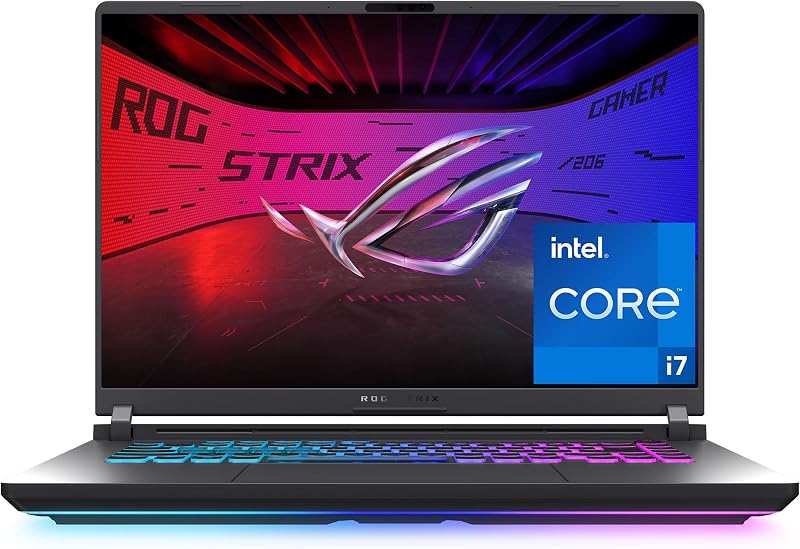
| ASUS ROG Strix G16 | Raw processing speed and modern silicon generations | Features Intel Core i7-14650HX, RTX 5060, 16:10 165Hz screen, and Wi-Fi 7 |
| Acer Nitro V 16S AI | Heavy AI workflows and massive memory capacity | Includes AMD Ryzen 7 260, RTX 5060, 32GB DDR5 RAM, and 1TB SSD |
| msi Cyborg 17 17.3″ FHD | Maximum screen size and expanded bundled storage | Provides a 17.3-inch display, Intel Core 9-270H, and 2TB total storage |
If your priority is running cutting-edge hardware architectures, modern alternatives present compelling advantages over this Razer configuration. The ASUS ROG Strix G16 provides updated silicon featuring an Intel Core i7-14650HX processor, RTX 5060 graphics, and a taller 16:10 aspect ratio panel. For users needing double the system memory right out of the box, the Acer Nitro V 16S AI supplies 32GB of DDR5 RAM paired with an AMD Ryzen 7 processor and a 1TB SSD. Meanwhile, creators wanting maximum display acreage on their desk should look toward the msi Cyborg 17 17.3″ FHD, which packs a massive 17.3-inch screen and 2TB combined storage. Choose the Razer Blade 15 Advanced when superior unibody craftsmanship, a razor-thin 0.7-inch profile, and vapor chamber cooling take priority over plastic-chassis alternatives.
Bottom Line
The Razer Blade 15 Advanced remains a masterclass in premium hardware packaging, proving that high-performance multi-core computing can fit inside a slim 0.7-inch aluminum unibody. Its combination of an 8-core Intel i7 CPU, dedicated NVIDIA RTX graphics, and an advanced liquid-filled vapor chamber delivers reliable, sustained compute power for creative tasks and gaming alike. For digital nomads and traveling editors who need a dependable Windows workhorse that withstands life in a backpack, its structural rigidity and sleek profile set a high bar.
While newer laptops feature more recent processor generations, larger storage drives, and alternative aspect ratios, few achieve the same standard of precision aluminum engineering. If you value premium build quality, versatile Thunderbolt 3 expansion, and an ultra-fast 300Hz display in a durable form factor, this rig provides an exceptional blend of performance and portability.
FAQ
Is Razer Blade 15 Advanced worth it for travel editors?
The machine is well suited for travel editors who require a rigid metal unibody chassis that withstands transit while delivering discrete GPU performance for video editing suites. Its slim 0.7-inch thickness makes packing straightforward, provided you account for the 4.4-pound weight and power brick.
What are the primary Razer Blade 15 Advanced specs to know?
Core hardware specifications include an 8-core 10th Gen Intel Core i7-10875H processor, NVIDIA GeForce RTX graphics with 8GB GDDR6 VRAM, 16GB of RAM, a 512GB SSD, and a 15.6-inch Full HD display running at 300Hz.
What should I expect regarding Razer Blade 15 Advanced battery life?
The listing does not specify exact battery life hours or battery capacity in watt-hours. Because it features a high-performance 8-core Intel processor and a dedicated NVIDIA GPU, battery longevity will vary significantly based on display brightness and workload intensity, requiring the charger for rendering jobs.
How does the Razer Blade 15 Advanced vapor chamber cooling work?
The cooling system uses a vacuum-sealed, liquid-filled copper chamber that spans the heat-generating CPU and GPU. As heat builds up, internal liquid vaporizes and disperses thermal energy across the entire plate toward the exhaust fans, maintaining user comfort and preventing sudden thermal throttling.
Does the Razer Blade 15 Advanced support high-speed external storage?
Yes, the laptop features a dedicated Thunderbolt 3 interface alongside built-in HDMI ports, allowing editors to connect high-speed external SSDs, multi-drive arrays, and external desktop displays seamlessly.
How this site works
- 1,858reviews published
- 2,323products with a score
- 2,260products with listed features
- 84brands covered
Prices, stock and specifications are read from the Amazon product listing. We do not run lab tests of our own; scores are out of 10, based on listed specifications and buyer feedback, not a verdict from a test bench. We track one retailer, so prices here are not a comparison.


